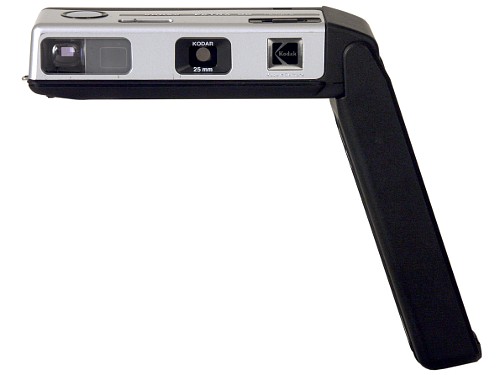
Released 1978 This is a cheap and cheerful 110-format sub-miniature camera. Fixed aperture, three-speed shutter set by a switch with weather symbols. My copy was donated to my collection and came in excellent condition in original box, with some flash bulbs. At a glance Lens Fixed Kodar 25mm f/9.5 Film 110 Focus Fixed Meter None
Tag Archives: my collection
Ensign Cameo

Released c1928 I was given this camera by my father-in-law as a birthday present. It’s a strange cross between a view camera and a more common folding camera. It has a ground glass focusing screen and front rise, but also has a pop-up sports finder and waist-level finder. Unusually, its default orientation is portrait ratherContinue reading “Ensign Cameo”
Canon A-1
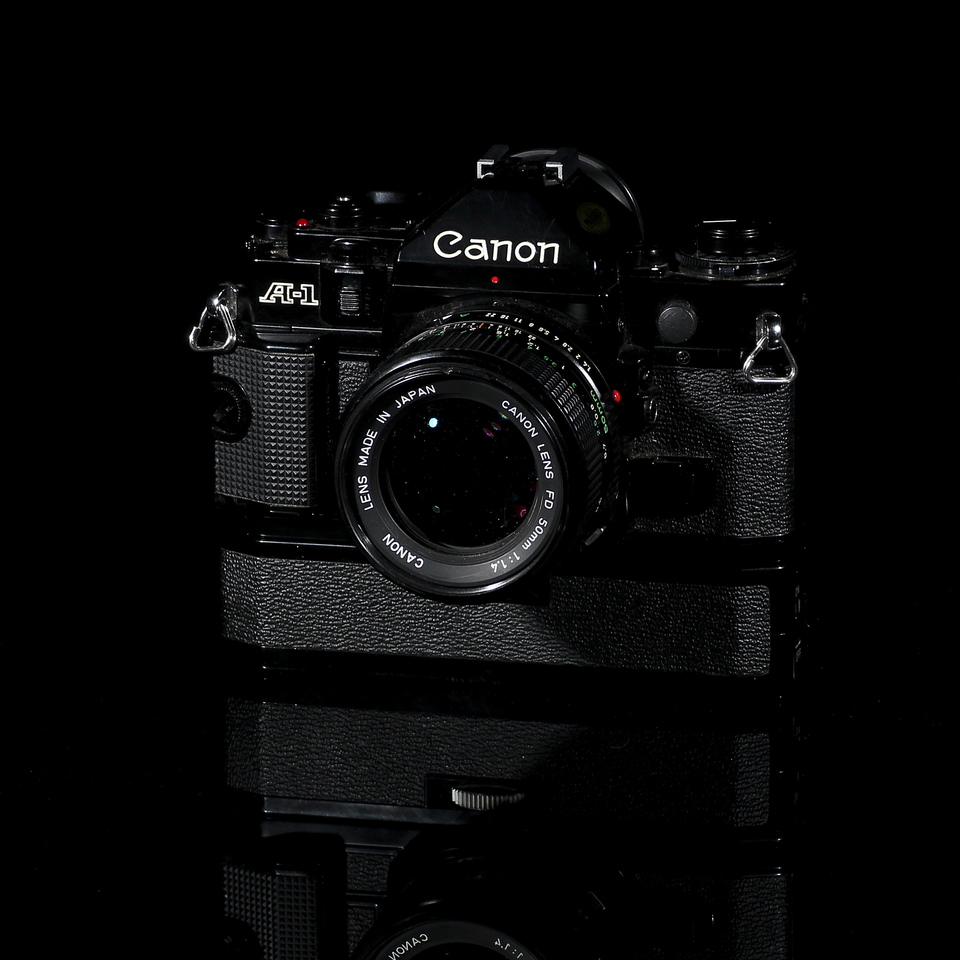
Released 1978 I own several Canon FD-mount SLRs but I’ve fancied an A-1 for a while. I think it’s the alluring black paint, rather than the silver fixtures of most contemporary SLRs. I think these hard-edged SLRs are much prettier than the curved plastic bodies that appeared in the 1980s. The A-1 also has theContinue reading “Canon A-1”
Mayoral CDS ZI
I know very little about this camera. It’s a silent Super 8 cine camera with auto-exposure, manual zoom and fixed focus. It shoots only at 18 fps and the only control is a trigger to start and stop.
KMZ Zenit 12xp

Released 1983 Along with the Praktica Super TL 1000, this is my first foray into the world of M42 lenses. The Zenit 12xp is a fully manual camera with battery-powered metering. At a glance Lens M42 mount Film 135 Focus SLR with microprism Meter CdS with match needle
Praktica Super TL 1000
Released 1980 Along with the Zenit 12xp, this is my first foray into the world of M42 lenses. The Praktica Super TL 1000 is a fully manual camera with battery-powered metering. At a glance Lens M42 mount Film 135 Focus SLR with microprism Meter CdS with match needle
Lancaster Instantograph

For Christmas, my father-in-law-to-be gave me a Victorian mahogany and brass view camera. It’s an Instantograph, manufactured by J Lancaster & Son of Birmingham. Despite its name, there’s nothing instant about this camera! The Instantograph was first introduced in 1882 and evolved through various design iterations until the last ones were made some time in the earlyContinue reading “Lancaster Instantograph”
Canon T90
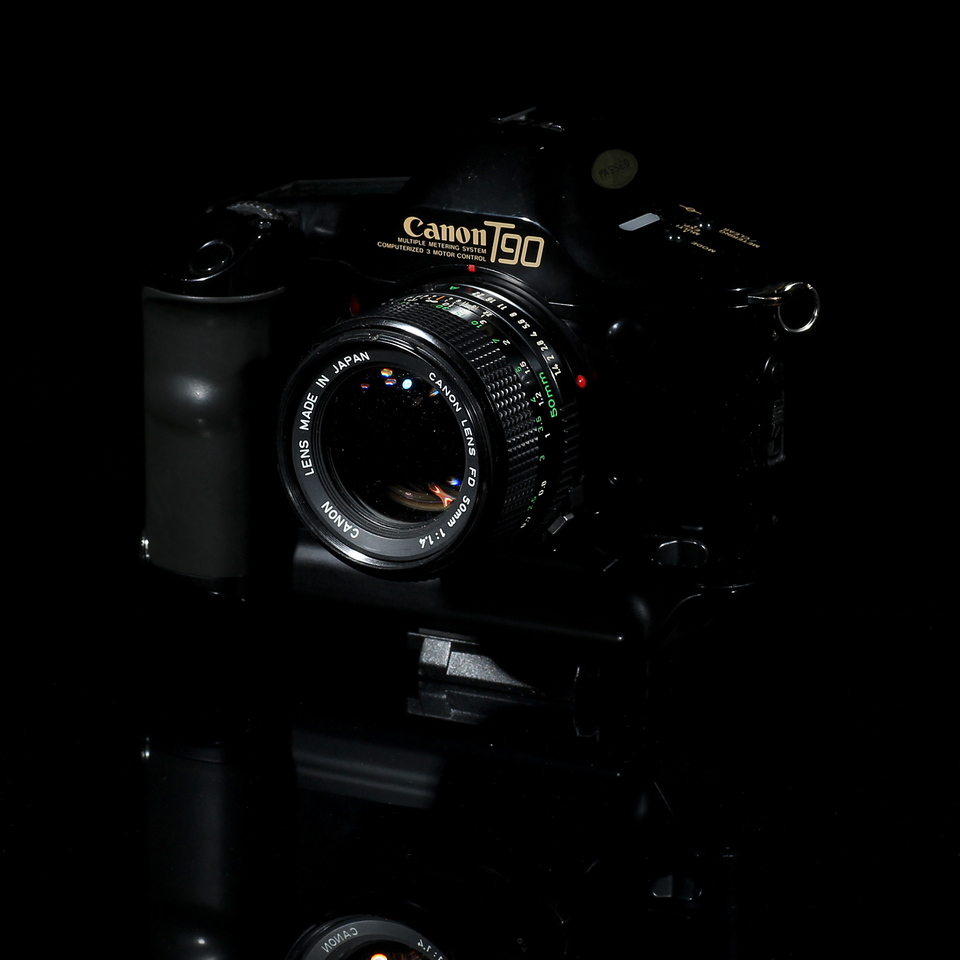
Released 1986 My Canon FD-mount cameras are probably my most-used film cameras. Quite often on outings I’ll take the AE-1 Program and the FTb and load each with a different type of film. Sometimes, the FTb’s crude metering isn’t quite up to the job in challenging situations so I wanted an FD body with slightlyContinue reading “Canon T90”
Canon EOS 600D
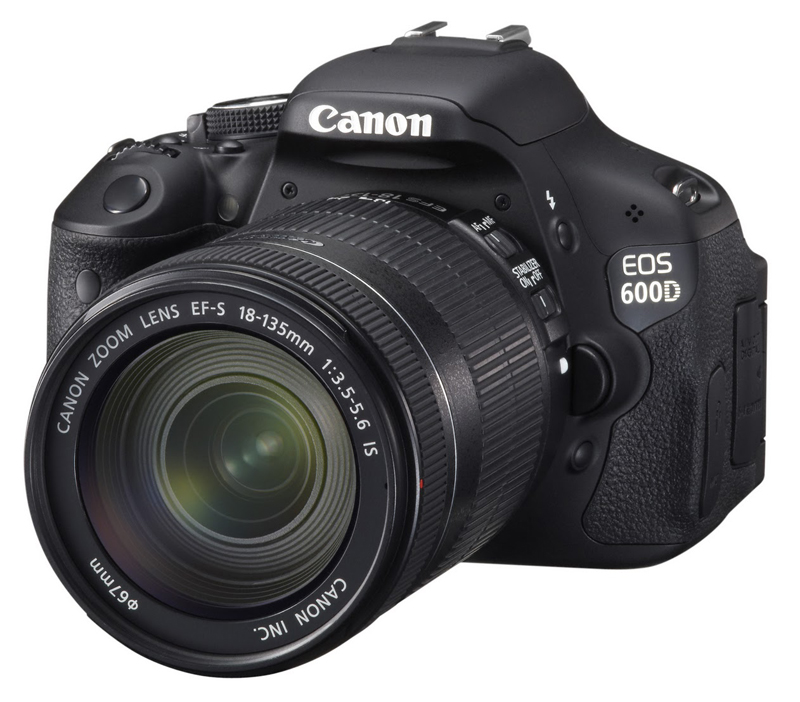
Released 2011 I bought the 600D to replace the 450D. There was nothing wrong with the 450D but Canon sensors of that age are not great for astrophotography. The 600D offers photography at up to ISO 12800. The noise doesn’t matter since the images will be stacked later on. I own two 600D bodies, the other of whichContinue reading “Canon EOS 600D”
Mamiya C220

Released 1968 I bought this TLR for the purpose of shooting infrared. Sure, I’ve got lots of other cameras that can do that, but with an infrared filter over the lens you can’t see anything in the viewfinder. With a TLR, the viewfinder uses a separate lens and you can still see what you’re doing without havingContinue reading “Mamiya C220”
 Jonathan Gazeley